Claim Your Free Service Estimate Today!
What to Expect During Your Cooling System Setup
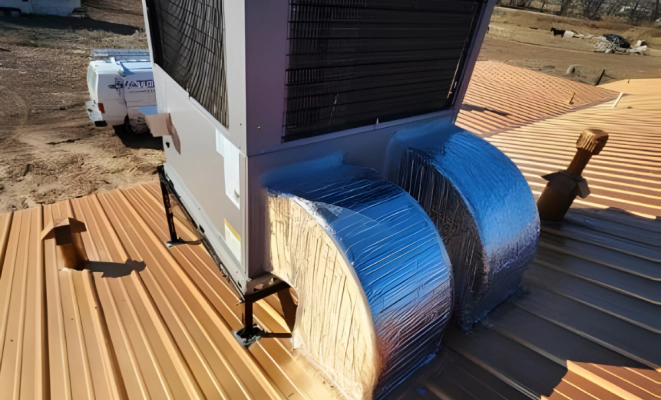
Installing a new air conditioning system is a significant investment that directly impacts your daily comfort. Whether you live in a home or manage a commercial property in Bernalillo, understanding what the installation process involves helps you prepare and make informed decisions. The process typically begins with a thorough assessment of your property to determine the right system size and configuration. An undersized unit will struggle to cool your space during the hottest months, while an oversized system will cycle on and off too frequently, wasting energy and wearing out components prematurely. The assessment includes measuring square footage, evaluating insulation quality, examining window placement and sun exposure, and considering the number of occupants. Once the proper system is selected, the installation team prepares the site by removing any existing equipment, checking electrical connections, and ensuring ductwork is properly sealed. Modern cooling systems require precise installation to achieve optimal efficiency ratings. The outdoor condenser unit must be positioned on a level surface with adequate clearance for airflow and service access. Indoor components, including the air handler or furnace with cooling coil, are secured and connected to the ductwork with careful attention to creating airtight seals. Refrigerant lines are installed and pressure tested before the system is charged. The final steps include programming the thermostat, testing all system functions, and demonstrating operation to the property owner. A properly installed system should operate quietly, cool evenly throughout the building, and meet or exceed manufacturer efficiency specifications.
Selecting Equipment That Matches Local Conditions
Bernalillo’s high desert climate presents unique challenges that should guide your cooling equipment selection. Summer temperatures routinely climb into the 90s, with occasional days exceeding 100 degrees. The low humidity that characterizes the region means evaporative coolers remain popular, but refrigerated air conditioning provides more consistent temperature control and better indoor air quality management. When selecting a new system, efficiency ratings matter significantly in this climate where cooling systems run for extended periods during summer months. SEER ratings indicate how efficiently a unit converts electricity into cooling power, with higher numbers representing better efficiency. Current minimum standards require 14 SEER for new installations, but units rated 16 SEER or higher deliver noticeable energy savings over the system’s lifespan. Variable speed compressors offer another advantage by adjusting output to match cooling demand rather than simply cycling on and off. This technology maintains more consistent temperatures and reduces energy consumption during moderate weather. For properties with existing ductwork, a split system with outdoor condenser and indoor air handler typically offers the most straightforward installation. Homes without existing ducts might benefit from ductless mini split systems that deliver conditioned air directly to individual rooms through wall mounted units. These systems work particularly well for additions, renovated spaces, or properties where installing ductwork would be impractical. Commercial properties often require larger capacity units or multiple systems to handle greater cooling loads. The dry air in Bernalillo also means systems do not need to work as hard to remove humidity, allowing you to focus equipment selection on temperature control and air circulation. Elevated Mechanical Services, Inc. brings extensive knowledge of local climate conditions and helps property owners select systems that deliver reliable performance year after year. Their team evaluates your specific needs, explains equipment options clearly, and ensures installation meets all manufacturer specifications for warranty protection and optimal operation.
When to Schedule Your Cooling System Replacement
Strategic timing can make a significant difference in both the cost and convenience of installing a new cooling system. Spring and fall represent ideal windows for scheduling installation work. During these shoulder seasons, temperatures remain moderate, making it easier to tolerate a day without air conditioning while work is completed. Contractors typically have greater scheduling flexibility during these periods, allowing you to choose appointment times that minimize disruption to your household or business operations. Waiting until your existing system fails during a July heat wave creates unnecessary stress and often results in rushed decisions about replacement equipment. Emergency installations may also come with premium pricing due to high demand during peak cooling season. If your current system is approaching 15 years of age, showing signs of declining performance, or requiring frequent repairs, planning a replacement before complete failure gives you time to research options, compare equipment, and schedule installation at your convenience. Early spring offers particular advantages for residential customers. Any installation issues can be identified and resolved before the heat arrives in earnest. New systems can be tested under moderate load conditions before facing the sustained demands of summer. This timing also allows property owners to take advantage of manufacturer rebates and utility company incentives that often refresh at the beginning of cooling season. Commercial property managers benefit from scheduling installations during slower business periods when temporary disruptions have minimal impact on operations. For retail locations, avoiding major shopping periods makes sense. Office buildings might schedule work over long weekends. Warehouses and light industrial facilities can often coordinate installations around production schedules. The key is planning ahead rather than reacting to equipment failure. If you notice your current system struggling to maintain comfortable temperatures, producing unusual noises, or generating higher utility bills than previous years, these signs indicate the system is nearing the end of its service life. Addressing replacement proactively gives you control over the process and ensures you have reliable cooling when you need it most.
How Modern Systems Reduce Operating Costs
The upfront cost of a new cooling system represents only part of the total investment. Operating costs over the system’s 15 to 20 year lifespan typically exceed the initial purchase and installation price. This makes efficiency a critical factor in equipment selection. Technology improvements over the past decade have dramatically increased the efficiency of residential and commercial cooling equipment. A system installed in 2005 likely operates at 10 SEER or lower, while current equipment starts at 14 SEER and extends to 20 SEER or higher for premium models. Upgrading from a 10 SEER system to a 16 SEER unit can reduce cooling costs by nearly 40 percent. In Bernalillo’s climate where air conditioning runs from May through September, these savings accumulate quickly. Beyond SEER ratings, several features contribute to lower operating costs. Variable speed air handlers adjust fan speed to match cooling demand, improving comfort while using less electricity than single speed models. Programmable and smart thermostats prevent energy waste by adjusting temperatures when buildings are unoccupied and can even learn usage patterns to optimize operation automatically. Proper system sizing ensures equipment runs efficiently rather than short cycling or struggling to meet demand. Zoned systems allow different areas of larger properties to be cooled independently, eliminating waste from conditioning unused spaces. Even the quality of installation affects efficiency. Duct leaks can waste 20 to 30 percent of cooled air before it reaches living spaces. Refrigerant must be charged to precise specifications. Airflow must be balanced throughout the system. These details separate adequate installations from truly efficient ones. Maintenance also plays a role in preserving efficiency over time. Annual service visits ensure filters are clean, coils are free of debris, and all components function as designed. Neglected systems lose efficiency gradually as minor issues compound. Commercial property owners should consider the additional benefits of modern building automation systems that integrate cooling control with occupancy sensors, lighting, and ventilation for maximum efficiency. The environmental benefits of efficient cooling equipment extend beyond individual utility bills. Reduced electricity consumption means less demand on power generation infrastructure and lower overall emissions. Many utility companies recognize these benefits by offering rebates for high efficiency equipment installations. These incentives can offset a portion of the initial investment, improving the return on upgrading to premium efficiency models.
Steps to Ensure a Smooth Installation Experience
Proper preparation helps installation proceed efficiently and protects your property during the work. Start by clearing access paths to both indoor and outdoor equipment locations. Installation crews will need to move components, tools, and materials between their vehicle and work areas. Remove furniture, decorations, and other items from around the indoor air handler location and along the route to the outdoor condenser site. If the outdoor unit will be positioned in a landscaped area, trim back plants that might interfere with placement or future service access. Manufacturers specify minimum clearance requirements around outdoor units for proper airflow and maintenance. Ensure pets are secured in a separate area during installation. The activity, unfamiliar people, and open doors create opportunities for animals to escape or interfere with work. If you have a dog that reacts strongly to strangers, consider arrangements that keep everyone safe and comfortable. Cover or protect any valuable items in work areas. While installation teams take care to minimize disruption, dust and debris are inevitable when working with ductwork and making equipment connections. Drop cloths protect flooring in traffic areas. For homes with existing systems, the old equipment will need to be disconnected and removed. Confirm with your contractor whether they will handle disposal or if you need to make separate arrangements. Many areas have specific requirements for proper disposal of equipment containing refrigerants. Clear communication with your installation contractor prevents surprises. Confirm the expected timeline for completion. Most residential installations are completed in one day, but larger systems or properties requiring ductwork modifications may take longer. Understand what work will be performed inside versus outside. Ask about any preparation tasks you should complete before the crew arrives. Verify that someone will be available during installation to answer questions and approve placement decisions. After installation, plan to be present for the system demonstration and orientation. This is your opportunity to learn proper operation, understand maintenance requirements, and ask questions about your new equipment. Take notes or photos of thermostat settings and any special operating instructions. Keep all documentation, including warranties, manual, and service records in a safe place for future reference. The first few days with your new system let you verify that everything operates correctly. Pay attention to how quickly spaces cool, whether all rooms receive adequate airflow, and that the system runs quietly. Report any concerns promptly so they can be addressed while installation is fresh. Most reputable contractors stand behind their work and want to ensure complete satisfaction. They understand that a properly functioning system leads to positive references and repeat business for future needs. Working with a qualified contractor ensures your installation meets building codes, manufacturer specifications, and industry standards. Quality installation protects your investment and provides years of reliable service.